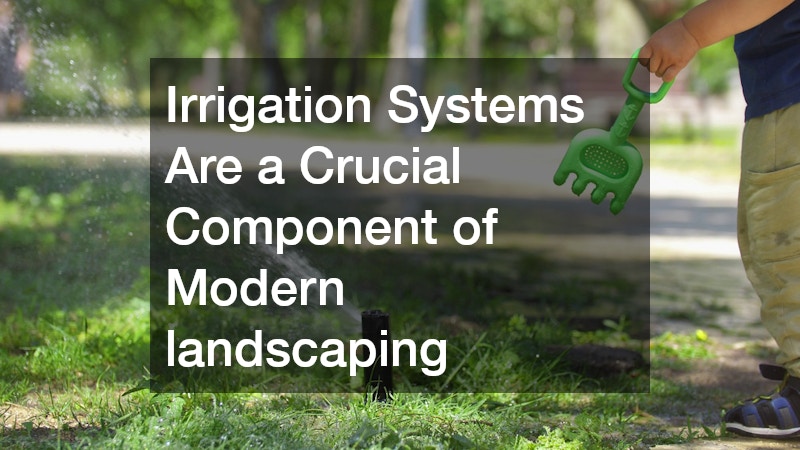
Irrigation systems are a crucial component of modern agriculture and landscaping, ensuring that water resources are managed efficiently and effectively. They are designed to deliver water to plants in a manner that maximizes plant growth and soil fertility while minimizing water wastage. With an ever-increasing demand for food production and greater awareness of resource conservation, the importance of irrigation services cannot be overstated.
An efficient irrigation system can significantly contribute to sustainable agricultural practices, promoting water conservation, reducing soil erosion, and enhancing crop yield. To achieve these goals, various types of irrigation systems have been developed, each employing unique principles to meet specific needs and conditions.
Understanding these systems can help farmers and landscapers make informed decisions that align with their environmental and economic objectives.
Recent technological advancements have further revolutionized irrigation systems, making them more precise and adaptive. With the advent of smart irrigation technologies, it is now possible to precisely control water distribution based on weather conditions, soil moisture levels, and crop requirements. This not only optimizes water usage but also reduces the environmental footprint of agricultural activities.
What are the Common Types of Irrigation Systems?
Surface irrigation, one of the oldest methods, involves applying water to the land surface and allowing it to distribute by gravity. This method includes furrow, basin, and border irrigation, making it cost-effective and suitable for a variety of crops. However, it can lead to water wastage and requires level fields for optimal performance. Despite these limitations, surface irrigation remains prevalent in many regions, especially where water availability is not a constraint.
Drip irrigation, also known as micro-irrigation, delivers water directly to the plant’s root zone through a network of valves, pipes, and emitters. This method is highly efficient as it reduces evaporation and runoff, ensuring that plants receive the right amount of water. It is particularly beneficial for high-value crops and areas with limited water resources. Drip irrigation’s precision in water delivery also helps in reducing weed growth and promoting better plant health.
Sprinkler irrigation mimics natural rainfall by distributing water through a system of pipes and sprinklers. This method is versatile and can be used on a wide range of terrains and soil types. It’s ideal for covering large areas and is commonly used for both agricultural and landscape irrigation. However, factors such as wind and evaporation can affect its efficiency, making it less suitable for arid regions without adaptation technologies.
Which Irrigation System is Best for My Crops?
Choosing the right irrigation system depends on several factors, including soil type, topography, and crop requirements. For example, sandy soils, which have high infiltration rates, may benefit more from drip irrigation, as it minimizes water loss and ensures effective moisture delivery to plants. In contrast, clay soils with poor drainage might be better suited for surface or subsurface irrigation systems.
Crop type and growth stage also play a significant role in determining the ideal irrigation system. Deep-rooted crops like trees and vines often thrive under drip irrigation, which provides a slow, consistent water supply. Conversely, shallow-rooted crops such as vegetables may require sprinkler systems that cover larger areas uniformly. It is vital to match the system’s delivery method with the plant’s specific water needs to optimize growth and yield.
Economic considerations like installation and operational costs can influence the selection of an irrigation system. While systems like drip irrigation can be resource-intensive initially, their operational efficiency can lead to long-term savings and increased profit margins. Additionally, with advancements in irrigation technologies, integrating sensors and smart controllers can further enhance the cost-efficiency of the chosen system by reducing labor and water usage.
How Can I Maintain My Irrigation System Effectively?
Routine maintenance is essential for the longevity and optimal performance of any irrigation system. This includes regular inspections for leaks, clogs, or damage to pipes and emitters. Identifying and addressing these issues promptly can prevent water wastage and ensure that plants receive adequate hydration. Regular maintenance checks can also include verifying the correct functioning of timers and sensors for systems equipped with automated controls.
Implementing a schedule for seasonal maintenance is equally important, especially before and after significant weather changes. For instance, clearing debris from sprinkler heads and drip emitters prepares the system for optimal performance during the peak growing season. Winterizing the system before cold weather sets in can prevent freeze-related damage, ensuring that the irrigation infrastructure remains intact and ready for use when the temperatures rise.
Technological aids, such as remote monitoring systems and pressure sensors, can greatly assist in the efficient management of irrigation systems. By providing real-time data on water flow and system pressure, these tools help in detecting anomalies and facilitating immediate corrective actions. Incorporating such technologies not only enhances water management efficiency but also aids in maintaining sustainable agricultural practices.
Conclusion
Understanding the different types of irrigation systems and their unique advantages can empower farmers and landscapers to make informed decisions that enhance resource management. By selecting the appropriate system based on specific crops, soil types, and economic considerations, it is possible to achieve sustainable growth and productivity.
Moreover, maintaining these systems through regular checks and technological interventions ensures that they operate at peak efficiency, reducing water waste and conserving resources. As the demand for food and sustainable practices continues to grow, the role of effective irrigation systems becomes increasingly critical.
By integrating modern irrigation practices with traditional agricultural knowledge, we can foster an environment that supports both environmental conservation and high agricultural output. The journey towards efficient water management is ongoing, and with continued innovation and dedication, it is possible to overcome the challenges of today and secure a more sustainable future. If you are interested